7 Best Cleansers for Acne-Prone Skin: How to Choose the Right One for Your Skin Type

Updated: Aug 6
Acne is one of the most common skin concerns, affecting teenagers and adults alike. If you've ever searched for the "best cleanser for acne-prone skin," you've probably come across hundreds of products claiming to clear breakouts, shrink pores, and give you flawless skin.
While these claims can be tempting, it's important to understand one thing from the start: no single cleanser can cure acne.
A cleanser only stays on your skin for a short time before being rinsed off, so it isn't designed to treat acne the way leave-on treatments like retinoids, benzoyl peroxide gels, or prescription medications do.
However, that doesn't make cleansing any less important. In fact, using the right cleanser is one of the foundations of an effective skincare routine.
A good cleanser helps remove excess oil (sebum), dirt, sweat, sunscreen, makeup, pollution, and other impurities that build up on your skin throughout the day. By keeping your pores clear and preventing the accumulation of debris, it supports acne treatments and reduces the chances of clogged pores that can lead to blackheads, whiteheads, and pimples.
At the same time, choosing the wrong cleanser can do more harm than good. Harsh formulas that strip away your skin's natural oils can weaken the skin barrier, causing dryness, irritation, and inflammation. Ironically, this can sometimes make acne appear worse or make your skin more sensitive to other acne treatments.
That's why the best cleanser isn't simply the most popular or expensive one. The right choice depends on several factors, including your skin type, the severity of your acne, and whether you're dealing with concerns like sensitivity, dryness, or excess oil.
Someone with oily skin and frequent blackheads may benefit from ingredients like salicylic acid, while someone with dry, acne-prone skin may need a gentler, barrier-supporting cleanser instead.
In this guide, we'll explore seven dermatologist-favored cleansers that suit different skin types and acne concerns. We'll also discuss how to choose the right cleanser for your skin, common mistakes to avoid, and answer some frequently asked questions to help you build a routine that supports healthier, clearer skin.

How We Chose These Cleansers
With countless acne cleansers available, finding the right one can feel overwhelming. Rather than selecting products based on popularity or marketing claims, we've focused on formulations that contain ingredients supported by scientific evidence and recommended by dermatologists.
Here are the factors we considered while selecting these cleansers.
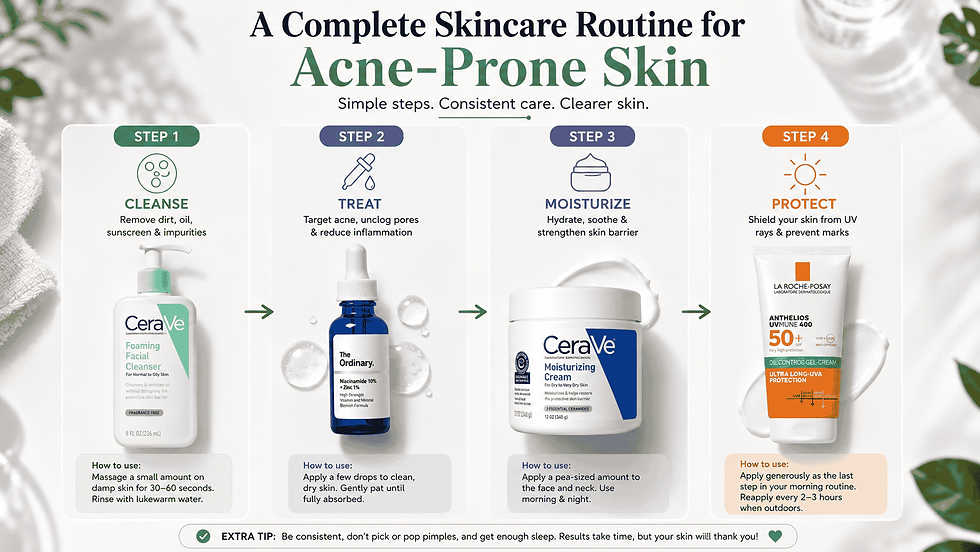
A cleanser is only the first step in managing acne. For the best results, it should be paired with products that target breakouts, maintain hydration, and protect your skin from UV damage.
If you're unsure how to put everything together, our guide on complete skincare routine for acne-prone skin explains exactly what to use and in what order.
1. Evidence-Backed Ingredients
Ingredients matter far more than brand names. We prioritized cleansers containing ingredients that have been extensively studied for acne-prone skin.
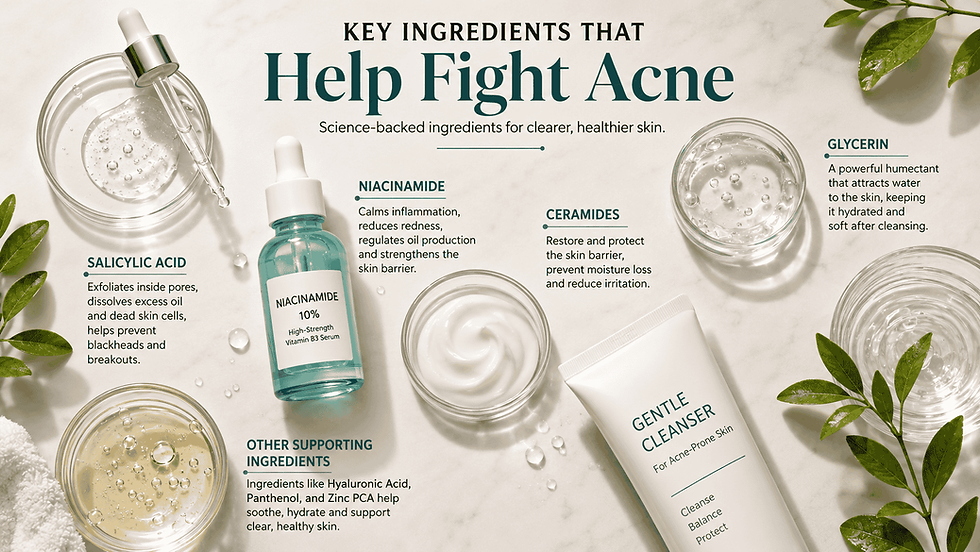
Salicylic Acid: Salicylic acid is a beta-hydroxy acid (BHA) that is oil-soluble, allowing it to penetrate deep inside pores. It helps dissolve excess oil and dead skin cells that contribute to clogged pores, making it particularly effective for blackheads, whiteheads, and oily skin.
Benzoyl Peroxide: Benzoyl peroxide targets acne-causing bacteria while also reducing inflammation. Cleansers containing this ingredient are often recommended for people with inflamed pimples and moderate acne.
Niacinamide: Niacinamide is a multi-tasking ingredient that helps calm redness, regulate oil production, strengthen the skin barrier, and improve overall skin texture. While it doesn't directly treat acne, it complements acne-fighting ingredients by reducing irritation.
Ceramides: Many acne treatments can leave the skin feeling dry and compromised. Ceramides help restore the skin barrier, preventing moisture loss and making it easier for the skin to tolerate active ingredients.
Glycerin and Other Humectants: Hydrating ingredients like glycerin attract water to the skin, helping maintain moisture after cleansing. This is especially important because dehydrated skin can become irritated more easily and may even produce more oil in response.
While choosing a good cleanser is important, understanding the ingredients inside your skincare products can make an even bigger difference. Learning how ingredients like salicylic acid, niacinamide, benzoyl peroxide, and ceramides work will help you build a routine that suits your skin. Read our guide to the best skincare ingredients for acne-prone skin to learn more.
2. Gentle Cleansing Ability
A cleanser should effectively remove oil, sunscreen, makeup, sweat, and impurities without leaving your skin feeling tight or stripped. Over-cleansing can damage the skin barrier and increase irritation, especially if you're already using acne treatments.
3. Fragrance-Free or Low-Irritant Formulas
Fragrance isn't necessarily harmful for everyone, but it can trigger irritation in some people, especially those with sensitive or acne-prone skin. Whenever possible, we've included fragrance-free or low-irritant options that focus on skin health rather than unnecessary additives.
4. Suitable for Different Skin Types
No single cleanser works for everyone. Some people produce excess oil throughout the day, while others experience dryness from acne medications. That's why this list includes cleansers suitable for oily, combination, sensitive, and dry acne-prone skin.

1. CeraVe SA Smoothing Cleanser
Overview
If you struggle with clogged pores, rough skin texture, blackheads, or occasional breakouts, the CeraVe SA Smoothing Cleanser is one of the most balanced options available.
Instead of relying solely on exfoliation, it combines acne-friendly ingredients with barrier-supporting components, making it suitable for daily use for many people.
Key Ingredients
Salicylic Acid
Ceramides
Niacinamide
Hyaluronic Acid
How It Works
Salicylic acid gently exfoliates inside the pores, helping remove excess oil and dead skin cells before they can contribute to clogged pores. Unlike harsh physical scrubs, this chemical exfoliation is much gentler when used correctly.
Ceramides replenish the skin's protective barrier, while niacinamide helps soothe redness and irritation. Hyaluronic acid attracts moisture to the skin, reducing the likelihood of excessive dryness after cleansing.
Who Is It Best Suited For?
This cleanser is ideal for:
Oily skin
Combination skin
People with blackheads and whiteheads
Mild acne
Rough or uneven skin texture
Advantages
Gently unclogs pores without over-drying the skin.
Supports the skin barrier with ceramides.
Contains soothing niacinamide.
Suitable for regular use.
Fragrance-free and non-comedogenic.
Possible Drawbacks
May not be strong enough for moderate or severe inflammatory acne.
Overuse alongside other exfoliating products may cause dryness.
Results usually take several weeks of consistent use.
People looking for an everyday cleanser that balances gentle exfoliation with hydration and skin barrier support.
2. CeraVe Foaming Facial Cleanser
Overview
Not every person with acne needs an active ingredient in their cleanser. Sometimes, a gentle daily cleanser that removes excess oil without disrupting the skin barrier is exactly what's needed.
That's where the CeraVe Foaming Facial Cleanser stands out.
Rather than directly treating acne, this cleanser prepares the skin for the rest of your routine while maintaining a healthy moisture balance.
Key Ingredients
Ceramides
Niacinamide
Glycerin
How It Works
The lightweight foaming formula removes excess sebum, dirt, sweat, sunscreen, and everyday impurities while preserving the skin's natural protective barrier. Niacinamide helps calm redness, while ceramides replenish moisture lost during cleansing.
Because it doesn't contain exfoliating acids, it's also a good choice for people already using leave-on acne treatments like adapalene, tretinoin, or benzoyl peroxide.
Who Is It Best Suited For?
This cleanser is ideal for:
Oily skin
Combination skin
Mild acne
People using prescription acne medications
Daily cleansing
Advantages
Gentle enough for everyday use.
Doesn't leave the skin feeling tight.
Fragrance-free.
Supports the skin barrier.
Works well alongside acne treatments.
Possible Drawbacks
Doesn't actively unclog pores.
May not be sufficient if blackheads are your primary concern.
People with very dry skin may prefer a cream cleanser instead.
Best For
Those looking for a simple, reliable cleanser that effectively removes excess oil without causing unnecessary irritation.
3. La Roche-Posay Effaclar Medicated Gel Cleanser
Overview
If excess oil and clogged pores are your biggest concerns, the La Roche-Posay Effaclar Medicated Gel Cleanser is designed specifically with oily, acne-prone skin in mind.
It combines exfoliating ingredients that target congestion while thoroughly cleansing the skin.
Key Ingredients
2% Salicylic Acid
Lipo Hydroxy Acid (LHA)
How it works
Salicylic acid penetrates into the pores to dissolve oil and dead skin cells that contribute to blackheads and whiteheads. Lipo Hydroxy Acid provides additional gentle exfoliation on the skin's surface, helping improve texture and reduce congestion over time.
Regular use can help minimize excess oil, leaving the skin feeling cleaner without the need for harsh scrubbing.
Who Is It Best Suited For?
This cleanser is ideal for:
Oily skin
Persistent blackheads
Enlarged-looking pores
Congested skin
Mild to moderate acne
Advantages
Contains a clinically proven acne-fighting ingredient.
Helps reduce excess oil.
Improves clogged pores with consistent use.
Suitable for people prone to blackheads.
Possible Drawbacks
Can feel drying on sensitive or dry skin.
May cause temporary irritation when combined with multiple exfoliating products.
Not the best choice for a damaged skin barrier.
Best For
People with oily, congested skin who want a cleanser that actively targets clogged pores while helping prevent future breakouts.
4. PanOxyl Acne Creamy Wash (4% Benzoyl Peroxide)
Overview
If your breakouts are mostly red, inflamed pimples rather than blackheads or whiteheads, a benzoyl peroxide cleanser may be a better option than one containing only salicylic acid. PanOxyl Acne Creamy Wash with 4% benzoyl peroxide is formulated to reduce acne-causing bacteria while cleansing away excess oil and impurities.
Unlike leave-on benzoyl peroxide treatments, this cleanser is rinsed off after washing your face. Even so, it can still be an effective addition to an acne routine, particularly for people with mild to moderate inflammatory acne.
Key Ingredients
4% Benzoyl Peroxide
Glycerin
How It Works
Benzoyl peroxide works by killing Cutibacterium acnes (formerly Propionibacterium acnes), the bacteria involved in acne development. It also helps reduce inflammation and remove excess oil from the skin.
Because it's a wash-off product, it's generally less irritating than some leave-on benzoyl peroxide treatments, though it can still cause dryness if overused.
Who Is It Best Suited For?
This cleanser is ideal for:
Mild to moderate inflammatory acne
Frequent red pimples
Oily and combination skin
Acne on the chest and back
Advantages
Helps reduce acne-causing bacteria.
Effective for inflamed breakouts.
Can also be used as a body wash for acne.
Creamy texture is less drying than some benzoyl peroxide cleansers.
Possible Drawbacks
Can bleach towels, pillowcases, and clothing.
May cause dryness or peeling, especially when first introduced.
Not the best choice for very sensitive or extremely dry skin.
Best For
People with inflamed acne who want a cleanser that targets acne-causing bacteria while removing excess oil.
5. Cetaphil Gentle Skin
Cleanser
Overview
Acne-prone skin isn't always oily. Many people experience dryness, irritation, or a damaged skin barrier because of acne treatments such as retinoids, benzoyl peroxide, or exfoliating acids. In these cases, using a harsh cleanser often makes the problem worse.
Cetaphil Gentle Skin Cleanser focuses on cleansing without stripping the skin, making it a popular choice for those with dry or sensitive acne-prone skin.
Key Ingredients
Glycerin
Niacinamide
Panthenol
How It Works
Instead of actively treating acne, this cleanser removes dirt, oil, and impurities while maintaining hydration. Niacinamide helps soothe redness, while glycerin and panthenol support the skin barrier and reduce moisture loss.
A healthy skin barrier allows acne treatments to work more effectively because the skin is less likely to become irritated.
Who Is It Best Suited For?
This cleanser is ideal for:
Dry acne-prone skin
Sensitive skin
People using prescription acne treatments
Compromised skin barriers
Advantages
Extremely gentle.
Doesn't leave the skin feeling tight.
Fragrance-free.
Suitable for daily use.
Helps maintain skin hydration.
Possible Drawbacks
Doesn't contain ingredients that directly target acne.
May not remove heavy makeup without double cleansing.
Best For
People whose acne treatments have left their skin dry, irritated, or sensitive.
6. Vanicream Gentle Facial Cleanser
Overview
When your skin reacts to almost everything, simplicity becomes an advantage. Vanicream Gentle Facial Cleanser is known for its minimal ingredient list and is often recommended for people with highly sensitive or allergy-prone skin.
Although it doesn't contain acne-fighting ingredients, it provides gentle cleansing while minimizing the risk of irritation.
Key Ingredients
Glycerin
How It Works
The cleanser removes excess oil, dirt, sunscreen, and daily impurities without disrupting the skin's natural moisture barrier.
By avoiding common irritants such as fragrance, dyes, parabens, and formaldehyde releasers, it helps reduce the chances of skin reactions.
Who Is It Best Suited For?
This cleanser is ideal for:
Sensitive skin
Allergy-prone skin
Dry skin
People repairing a damaged skin barrier
Advantages
Free from fragrance and dyes.
Minimal ingredient list.
Gentle enough for daily use.
Supports barrier recovery.
Possible Drawbacks
Doesn't actively treat acne.
May not completely remove heavy makeup or water-resistant sunscreen without a first cleanse.
Best For
People who need a simple cleanser that prioritizes skin barrier health while supporting an acne treatment routine.
7. Neutrogena Oil-Free Acne Wash
Overview
Neutrogena Oil-Free Acne Wash has been a well-known acne cleanser for years and remains a popular option for people with oily skin and mild breakouts.
Its salicylic acid-based formula is designed to help keep pores clear while removing excess oil.
Key Ingredients
Salicylic Acid
How It Works
Salicylic acid penetrates the pores, dissolving excess oil and dead skin cells that can contribute to blackheads and whiteheads. Regular use may also help reduce future clogged pores.
Who Is It Best Suited For?
This cleanser is ideal for:
Oily skin
Teen acne
Mild acne
Blackheads and whiteheads
Advantages
Affordable and widely available.
Helps reduce excess oil.
Contains an evidence-backed acne ingredient.
Easy to incorporate into a daily routine.
Possible Drawbacks
Some versions contain added fragrance.
Can feel drying if used too frequently.
May not be suitable for highly sensitive skin.
Best For
People with oily skin looking for an affordable salicylic acid cleanser to help manage mild acne.
Quick Comparison of the 7 Best Cleansers for Acne-Prone Skin
If you're still unsure which cleanser is right for you, here's a quick summary of each recommendation.
CeraVe SA Smoothing Cleanser: Best for oily and combination skin with clogged pores, blackheads, and rough texture. Its combination of salicylic acid, ceramides, niacinamide, and hyaluronic acid helps exfoliate gently while supporting the skin barrier.
CeraVe Foaming Facial Cleanser: An excellent everyday cleanser for oily and combination skin. It removes excess oil without stripping the skin, making it a great companion to leave-on acne treatments.
La Roche-Posay Effaclar Medicated Gel Cleanser: Designed for very oily, congested skin, this cleanser uses salicylic acid and LHA to target clogged pores, blackheads, and excess sebum.
PanOxyl Acne Creamy Wash (4% Benzoyl Peroxide): Ideal for people dealing with inflamed pimples and moderate acne. It helps reduce acne-causing bacteria and is also effective for body acne.
Cetaphil Gentle Skin Cleanser: Best suited for dry or sensitive acne-prone skin, especially if acne treatments have weakened your skin barrier. It cleanses gently while helping maintain hydration.
Vanicream Gentle Facial Cleanser: A simple, fragrance-free option for highly sensitive or allergy-prone skin. It focuses on cleansing without introducing unnecessary irritants.
Neutrogena Oil-Free Acne Wash: A budget-friendly salicylic acid cleanser that works well for oily skin and mild acne, helping keep pores clear with consistent use.
How to Choose the Right Cleanser for Your Skin Type and Concerns
Choosing a cleanser becomes much easier once you understand your skin's needs.
If You Have Oily Skin
Look for cleansers containing salicylic acid or gentle foaming formulas that remove excess oil without making your skin feel overly tight. Avoid harsh soaps that completely strip your skin, as they may encourage even more oil production.
If You Have Combination Skin
Combination skin usually benefits from balanced formulas that cleanse oily areas while maintaining hydration in drier parts of the face. Ingredients like niacinamide and ceramides can help maintain that balance.
If You Have Dry Acne-Prone Skin
Your priority should be protecting the skin barrier. Choose gentle cleansers containing hydrating ingredients such as glycerin, ceramides, and hyaluronic acid. Avoid overusing exfoliating cleansers.
If You Have Sensitive Skin
Choose fragrance-free cleansers with simple ingredient lists. Avoid using multiple active ingredients in the same routine until you know how your skin responds.
If You Have Blackheads and Whiteheads
A salicylic acid cleanser can help dissolve excess oil and dead skin cells inside the pores, making it particularly useful for comedonal acne.
If You Have Inflamed Pimples
If red, swollen pimples are your primary concern, a benzoyl peroxide cleanser may provide better results because it targets acne-causing bacteria while reducing inflammation.
If You're Using Prescription Acne Treatments
People using adapalene, tretinoin, isotretinoin, or prescription-strength acne medications often benefit from a gentle, non-stripping cleanser that helps reduce irritation instead of adding more active ingredients.
If you are dealing with acne marks and want to know the ingredients to have in your skincare then check out our recent post on Best ingredients for hyperpigmentation.
Common Mistakes People Make When Choosing an Acne Cleanser
Even the best cleanser won't deliver the desired results if it's used incorrectly or if it isn't suitable for your skin type. Here are some of the most common mistakes people make when choosing and using acne cleansers.
1. Choosing the Strongest Cleanser Instead of the Right One
Many people assume that a stronger cleanser will clear acne faster. In reality, using products with high concentrations of active ingredients when your skin doesn't need them can lead to dryness, irritation, and a weakened skin barrier.
A cleanser should match your skin's needs—not simply contain the strongest acne-fighting ingredients available.
2. Washing Your Face Too Frequently
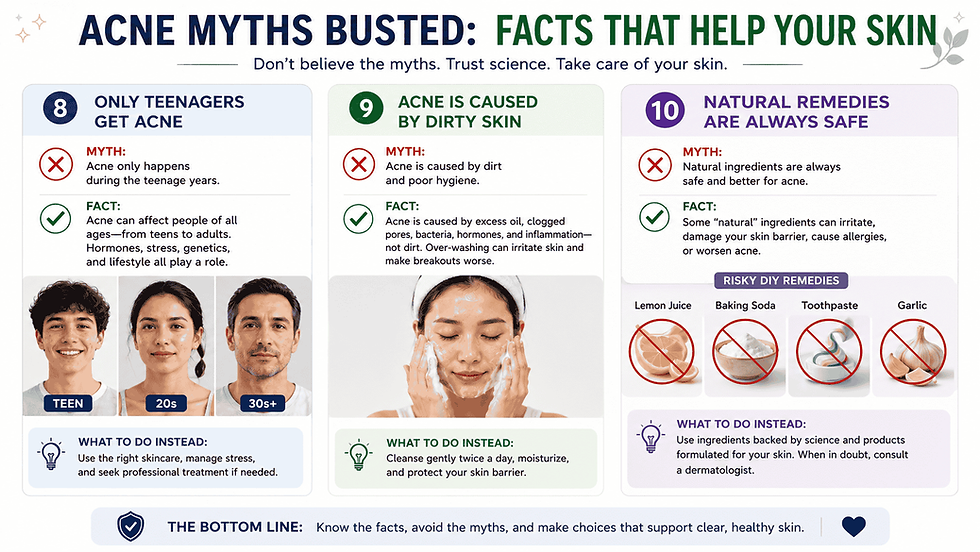
Washing your face more than twice a day doesn't remove acne. Instead, frequent cleansing can strip away natural oils, leaving your skin irritated and dehydrated.
For most people, cleansing once in the morning and once before bed is enough. If you've exercised or sweat heavily, an additional cleanse may be helpful.
3. Using Multiple Acne Cleansers Together
Using a salicylic acid cleanser in the morning and a benzoyl peroxide cleanser at night may seem like a good idea, but for many people, this combination can be too harsh.
Unless recommended by a dermatologist, it's often better to use one cleanser consistently and rely on leave-on treatments if additional acne control is needed.
4. Ignoring Your Skin Barrier
A cleanser that leaves your skin feeling tight, burning, or excessively dry isn't necessarily "working." These are signs that your skin barrier may be damaged.
A compromised skin barrier can increase irritation and make it harder for acne treatments to do their job effectively.
If your skin feels tight, burns after cleansing, or becomes flaky while using acne treatments, your skin barrier may be compromised. Continuing to use harsh products can make irritation worse, so it's important to focus on recovery. Learn how to start repairing your skin barrier without worsening breakouts in our detailed guide.
5. Skipping Moisturizer Because Your Skin Is Oily
One of the biggest skincare myths is that oily skin doesn't need moisturizer. In reality, every skin type benefits from hydration.
A lightweight, non-comedogenic moisturizer helps maintain the skin barrier and may even reduce excess oil production over time.
6. Expecting Immediate Results
Acne doesn't disappear overnight. Even with the right cleanser and a consistent routine, noticeable improvements often take several weeks.
Constantly switching products every few days can make it difficult to know what's actually working.
7. Forgetting Sunscreen
Many acne treatments increase your skin's sensitivity to the sun. Applying a broad-spectrum sunscreen every morning helps protect your skin from UV damage and may reduce the risk of post-acne marks becoming darker.

Frequently Asked Questions
Can a cleanser alone clear acne?
No. A cleanser helps remove excess oil, dirt, sunscreen, and impurities while supporting your overall skincare routine, but it cannot cure acne on its own.
Depending on the severity of your acne, you may also need leave-on treatments containing ingredients like adapalene, benzoyl peroxide, or azelaic acid, or prescription medications recommended by a dermatologist.
How often should I wash my face if I have acne?
For most people, washing your face twice a day—once in the morning and once before bed—is sufficient. If you've been sweating after exercise or spending time outdoors, cleansing afterward can also be beneficial. Overwashing may irritate your skin and weaken the skin barrier.
Is salicylic acid or benzoyl peroxide better?
Neither ingredient is universally better—they simply work differently.
Salicylic acid is particularly effective for oily skin, blackheads, and clogged pores because it exfoliates inside the pores.
Benzoyl peroxide is generally more effective for inflamed acne because it reduces acne-causing bacteria and helps calm inflammation.
The right choice depends on the type of acne you're experiencing.
Can people with dry skin use acne cleansers?
Yes, but it's important to choose gentle formulations. Cleansers containing ceramides, glycerin, and other hydrating ingredients can help cleanse the skin without causing excessive dryness. If your skin feels tight after washing, your cleanser may be too harsh.
Should I use a cleanser with active ingredients every day?
It depends on your skin's tolerance. Some people can comfortably use salicylic acid cleansers daily, while others may benefit from using them only a few times a week. If you notice irritation, dryness, or peeling, reduce the frequency and use a gentle cleanser on the remaining days.
Do I still need moisturizer after using an acne cleanser?
Yes. Moisturizing is an essential step in every skincare routine, even if you have oily skin. A lightweight, non-comedogenic moisturizer helps maintain the skin barrier, reduces dryness caused by acne treatments, and keeps your skin balanced.
Conclusion
Choosing the right cleanser is an important step in managing acne-prone skin, but it's important to have realistic expectations. No cleanser can cure acne on its own.
Instead, its role is to remove excess oil, dirt, sunscreen, makeup, and other impurities while creating a clean, healthy foundation for the rest of your skincare routine.
The best cleanser for you depends on your skin type and your specific concerns. If you struggle with blackheads and clogged pores, a salicylic acid cleanser may be the best fit. If your acne is mainly inflamed and red, a benzoyl peroxide cleanser may provide better support.
Those with dry or sensitive skin often benefit more from gentle, barrier-supporting cleansers that prevent irritation rather than aggressive exfoliation.
Remember that consistency matters far more than constantly trying new products.
Cleansing twice daily with a suitable face wash, following up with a non-comedogenic moisturizer, wearing sunscreen every morning, and using evidence-based acne treatments when needed will generally produce better long-term results than relying on a cleanser alone.
Healthy skin is built through a balanced skincare routine, patience, and products that suit your individual skin—not through the latest trend or the strongest formula on the shelf.


Comments