Confused About Which Face Serum to Use? Here’s Everything You Need to Know

Updated: May 18
If you’ve already built a basic skincare routine—cleanser, moisturizer, and sunscreen—but still feel like your skin isn’t improving the way you expected, this is where face serums come in.
Most people either skip serums or use them incorrectly. That’s exactly why they don’t see results.
Here’s the reality:
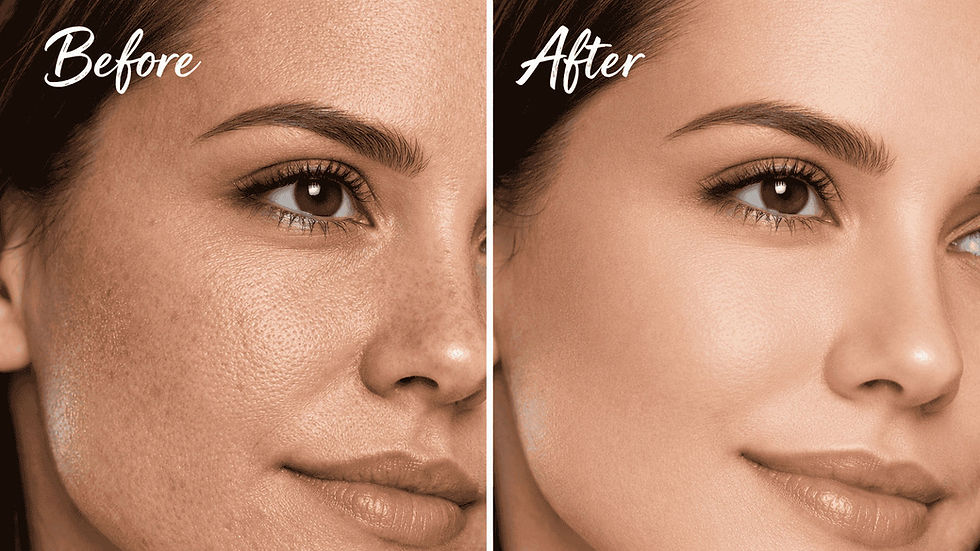
A well-chosen serum, used correctly, can do more for your skin than your entire routine combined.
This is not an exaggeration. It’s because serums are treatment-focused, ingredient-heavy, and designed to target specific skin concerns at a deeper level.
This guide goes beyond basics. You’ll understand:
What serums actually do inside your skin
How to choose one based on your skin type
How to use them without damaging your skin
How to combine them intelligently
And how they fit perfectly into your oily and dry skincare routines

What Exactly Is a Face Serum?
A face serum is a lightweight skincare product formulated with high concentrations of active ingredients designed to penetrate deeper layers of the skin.
Unlike moisturizers:
Moisturizers = protect + hydrate
Serums = treat + transform
They usually have:
Thinner consistency
Smaller molecules
Faster absorption
This allows them to deliver ingredients like:
Niacinamide
Hyaluronic Acid
Vitamin C
Retinol
directly where your skin needs them most.

Why Most People Don’t See Results From Serums
Before learning what to use, understand what goes wrong.
1. Wrong Serum for Their Skin Type
Using a hydrating serum on extremely oily, acne-prone skin won’t fix breakouts.
2. Using Too Many Actives
Layering 3–4 strong serums damages your skin barrier.
3. Inconsistent Use
Using a serum for 3 days and expecting results is unrealistic.
4. Skipping Moisturizer
This is a major mistake. Serums need to be sealed in.
5. No Sunscreen
Active ingredients make your skin sensitive. Without sunscreen, you reverse your progress.
How Serums Actually Work (Simple Science)
Your skin has multiple layers. Most skincare products sit on the surface.
Serums are different.
Because of their small molecular structure, they:
Penetrate deeper into the epidermis
Deliver active ingredients directly
Trigger biological responses (like collagen production or oil regulation)
For example:
Niacinamide reduces oil production
Hyaluronic acid pulls water into skin cells
Retinol increases cell turnover
That’s why serums are powerful—but also why misuse can cause irritation.
Types of Face Serums (Deep Breakdown)
Understanding this properly will prevent 90% of mistakes.
1. Hydrating Serums (For Dry & Dehydrated Skin)
Key Ingredients:
Hyaluronic Acid
Glycerin
Panthenol
What They Do:
Pull moisture into the skin
Improve skin elasticity
Reduce dryness and flakiness
Who Needs It:
Dry skin
Dehydrated oily skin (yes, oily skin can lack water)
2. Oil-Control & Acne Serums
Key Ingredients:
Niacinamide
Salicylic Acid
Zinc
What They Do:
Reduce excess sebum
Prevent clogged pores
Calm inflammation
Who Needs It:
Oily skin
Acne-prone skin
Combination skin (T-zone focus)
3. Brightening Serums
Key Ingredients:
Vitamin C
Alpha Arbutin
Licorice extract
What They Do:
Reduce pigmentation
Improve uneven skin tone
Add glow
4. Anti-Aging / Repair Serums
Key Ingredients:
Retinol
Peptides
Ceramides
What They Do:
Increase collagen production
Smooth fine lines
Improve skin texture
5. Exfoliating Serums
Key Ingredients:
Glycolic Acid
Lactic Acid
Mandelic Acid
What They Do:
Remove dead skin cells
Unclog pores
Improve skin texture
Warning:
Overuse = skin damage

How to Choose the Right Serum (Based on Skin Type)
This section connects directly with your existing cluster posts.
1. Serum Guide for Oily Skin
If you have oily skin, your goal is not to remove oil completely—it’s to control and balance it.
Ideal Ingredients:
Niacinamide (must-have)
Salicylic Acid
Green tea extract
Texture to Choose:
Water-based
Lightweight
Non-comedogenic
Routine Example:
Cleanser
Niacinamide serum
Oil-free moisturizer
Sunscreen
Advanced Tip:
If acne is active, use salicylic acid serum at night only.
If you have oily skin, your serum should be part of a complete routine. Follow this oily skincare routine that actually works for better results.
👉 Oily skincre routine that actually works

2. Serum Guide for Dry Skin
Dry skin is not just about lack of oil—it’s about lack of hydration + weak skin barrier.
Ideal Ingredients:
Hyaluronic Acid
Ceramides
Squalane
Texture to Choose:
Slightly thicker but still absorbent
Hydrating base
Routine Example:
Gentle cleanser
Hydrating serum (on damp skin)
Rich moisturizer
Sunscreen
Advanced Tip:
Layering works:
First: Hyaluronic Acid
Then: Barrier repair serum
Serums alone won’t fix dryness unless your routine supports it. Follow this dry skincare routine for deep hydration.
👉 Dry skincare routine for deep hydration

3. Serum Guide for Combination Skin
Combination skin requires strategy, not confusion.
Option 1: Single Balanced Serum
Use niacinamide—it works for both oily and dry areas.
Option 2: Multi-Serum Approach
T-zone → oil control serum
Cheeks → hydrating serum
Biggest Mistake:
Using heavy products everywhere → leads to breakouts

How to Apply Serum Correctly (Step-by-Step)
Cleanse your face
Apply toner (optional)
Take 2–3 drops of serum
Apply on slightly damp skin
Press gently into skin
Wait 30–60 seconds
Apply moisturizer

Serum Layering Guide (Advanced Users)
If you want better results without damaging your skin:
Safe Combinations:
Niacinamide + Hyaluronic Acid
Vitamin C + Hydration serum
Avoid:
Retinol + Vitamin C (same time)
Strong acids + Retinol
Rule:
Start simple → then layer
Morning vs Night Serum Strategy
Morning:
Vitamin C (brightening + protection)
Niacinamide (oil control)
Night:
Retinol (repair)
Hydrating serum (recovery)
How Long Before You See Results?
Be realistic:
Hydration → 3–5 days
Oil control → 1–2 weeks
Acne → 3–4 weeks
Pigmentation → 6–8 weeks
No serum works overnight.
Sun exposure can undo even the best skincare routine. If you’re noticing tanning or uneven skin tone, this detailed guide breaks down exactly how to fix it.
Common Mistakes That Ruin Your Skin
1. Overusing Active Ingredients
Leads to irritation and breakouts
2. Skipping Moisturizer
Destroys skin barrier
3. Using Too Many Products
Confuses your skin
4. Changing Products Too Quickly
You never see actual results
5. Ignoring Patch Testing
Risk of reactions increases

How This Fits Into Your Existing Skincare Posts
This post connects directly with your:
Oily Skin Routine
Serum = oil control + acne prevention
Dry Skin Routine
Serum = hydration + repair
This Post Acts As:
A bridge post that explains why those routines actually work.
Beginner Routine (Simple and Effective)
If you are just starting:
Morning:
Cleanser
Niacinamide OR Vitamin C serum
Moisturizer
Sunscreen
Night:
Cleanser
Hydrating serum
Moisturizer
Advanced Routine (If You Want Better Results)
Morning:
Cleanser
Vitamin C
Niacinamide
Moisturizer
Sunscreen
Night:
Cleanser
Exfoliating serum (2–3 times/week)
Retinol (alternate days)
Moisturizer
Do You Really Need a Serum?
Simple answer:
No skin issues → optional
Any concern → necessary
For most people, serums are the step that actually brings visible change.
Final Thoughts
Face serums are not a trend—they are the most effective step in modern skincare.
But results depend on:
Choosing the right serum
Using it correctly
Staying consistent
If you understand this properly, you don’t need 10 products.
One good serum, used properly, is enough to transform your skin.
Serums work best when your routine is already structured. If you haven’t done that yet, start with this step-by-step skincare routine guide.
👉 Step-by-step skincare routine guide
Quick Recap
Serums = concentrated treatment products
Choose based on skin type, not trends
Use 2–3 drops only
Always follow with moisturizer
Be consistent


Comments